Advisory
Advisory is a recurring and consistent small-learning community with dedicated time in the daily or weekly schedule intended to provide opportunities to cultivate a sense of belonging, support learner agency, and explore strengths and interests. In Expeditionary Learning schools this structure is called “Crew” and it can go by many different names. It also isn’t just a structure for secondary schools. Elementary schools take on elements of advisory through morning meeting structures and in some cases structures such as houses, which are multi-grade small learning communities focused on building relationships and culture.
Advisors are educators who lead the advisory group and class period. They serve as mentors and guides to support learners both in and out of school. You can learn more about supporting learners with social emotional learning and building community in our course, Nurture a Meaningful and Engaging Learning Community.
| What advisory is | What advisory isn’t |
Time for:
|
|
Bright Spots
Crew
By loading this video, you agree to the privacy policy of Youtube.
Circles
By loading this video, you agree to the privacy policy of Youtube.
Source: Compass Circles is a structure implemented at Collegiate Hall, to ensure students communicate, build relationships, and practice empathy.
Elementary Houses
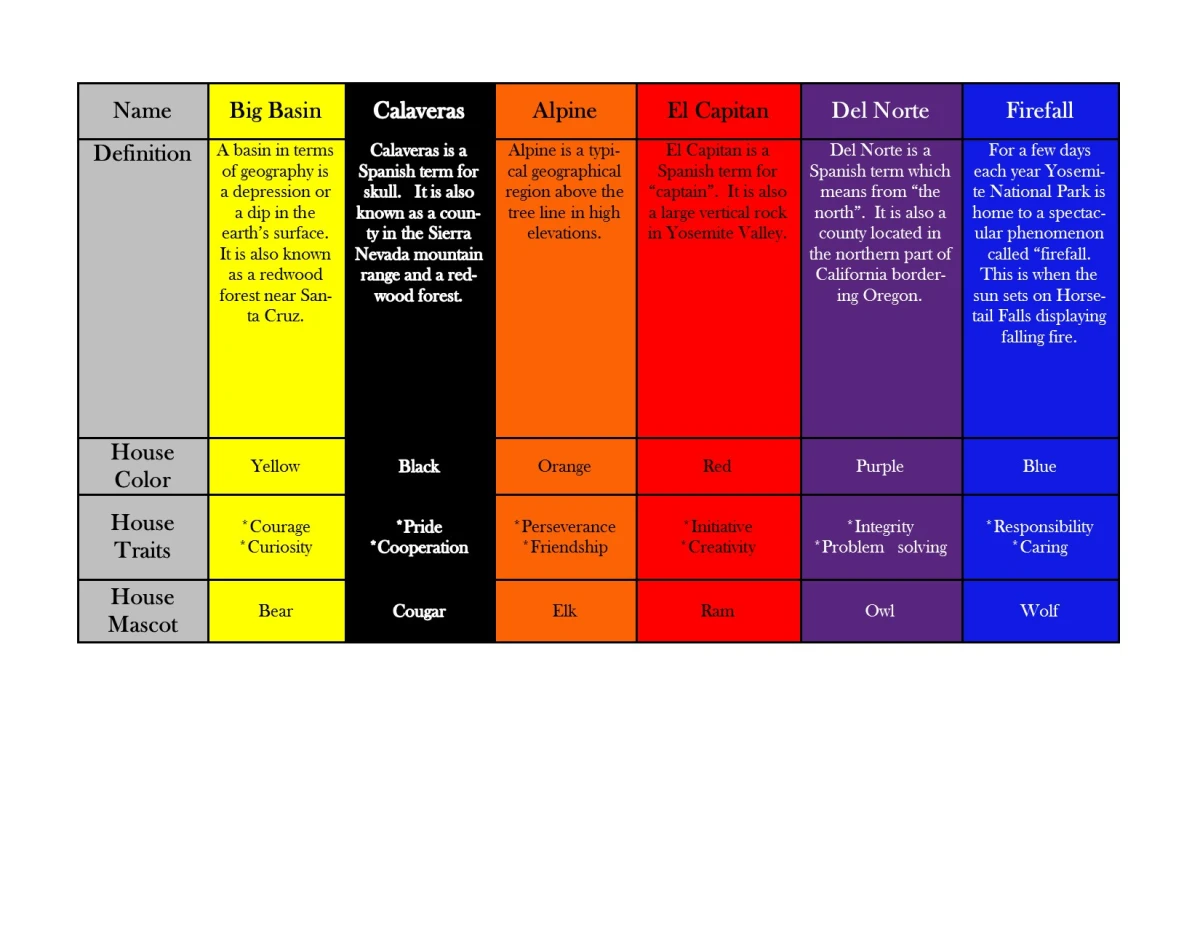
John Muir Elementary has implemented a house system to build community and engagement. These are cross-grade level groups that participate in meetings and rallies, focused on building their SOAR principles.
RESOURCES:
Inspired to explore more?
🧰 Explore Identities with Learners: LCC Strategy
🧰 Futurescape (career exploration tool for secondary)
📖 The 5 Core Elements of Advisory
📖 Education Reimagined: How To Transform Schools with wellness
📖 Education Week: Every Student Needs a Mentor
Questions to Consider:
- How might you create a clearly defined time, purpose and intention for your advisory time & hold it as sacred?
- How might you structure your advisory groups (e.g. grade level, cross-grade level, one-year or multi-year) to support deep relationships and mentorship opportunities over the course of a learner’s journey?
- How can you ensure calibration of practice across a diverse staff? What structures and practices will advisories hold tight to and what is loose? What is your school or district’s ideal balance of scripted resources versus organic connection and relationship building?
- For example, how might you intentionally scaffold your advisory experiences based on ConnectEd’s Work Based Learning continuum or an SEL program based on the CASEL framework?